
Warning: This is a long post. It’s not for the faint-of-heart. But if you’re a nerd like me who appreciates spreadsheets, scenarios, and, well, saving money, you might want to follow along to the bitter end.
So I mentioned in a previous post that I was contemplating a trial run of the Disney Deluxe Dining Plan during our upcoming September trip. Heeding the advice of others who caution that the DDDP’s obscene amounts of food might be daunting – even sickening!- if eaten over the course of a longer trip, I decided to play with some scenarios for a smaller chunk of our overall stay. Although we will be staying at the BoardWalk for the bulk of our September trip, we are starting our vacation with three nights at the Contemporary, a much more manageable period of time in which to try out Disney’s most gluttonous dining plan.
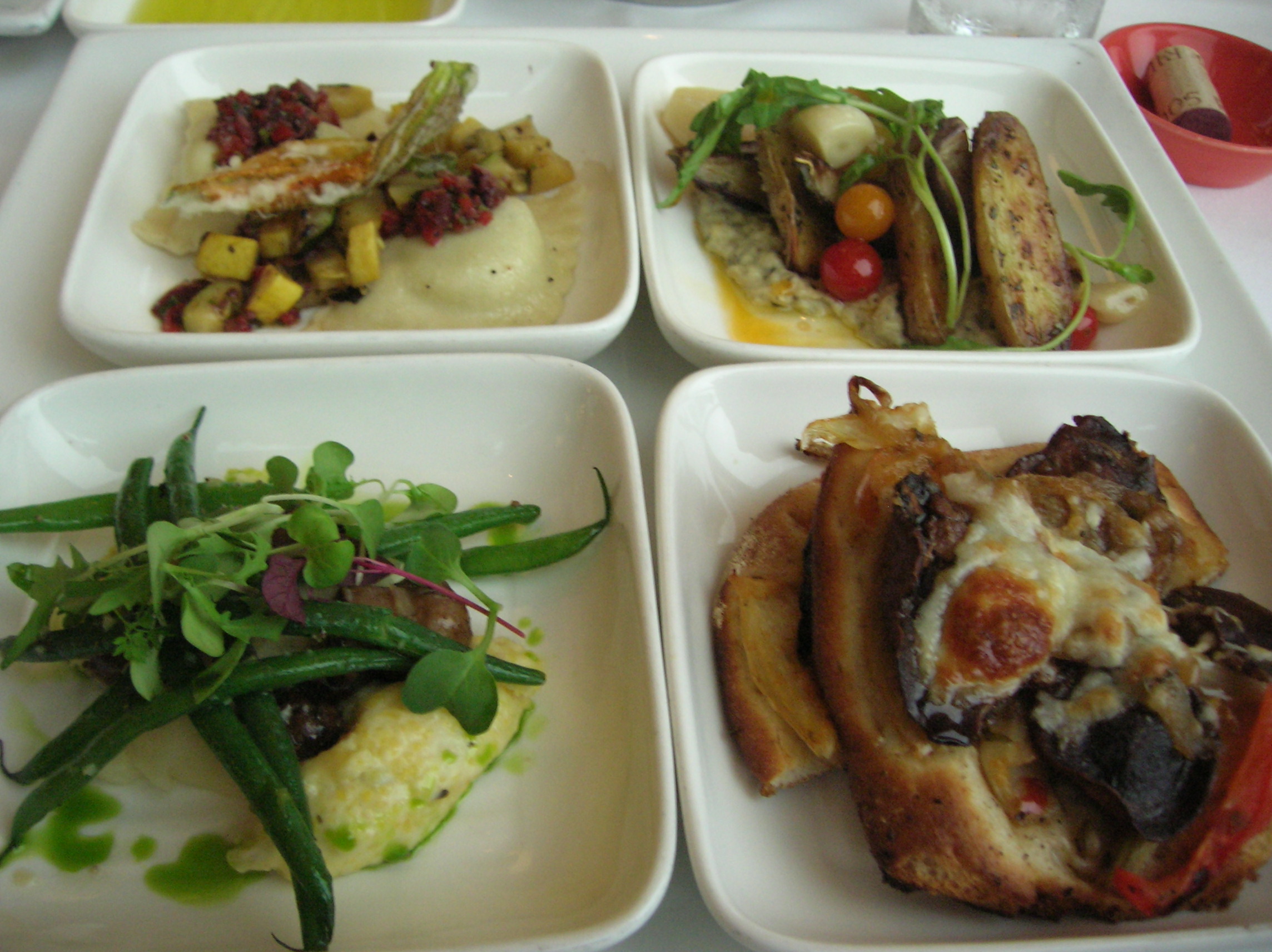
Now I wasn’t born yesterday, nor did I fall off a turnip truck, and I generally feel that all of my marbles are present and accounted for. That is to say – I’m not taking Disney’s claim of HUGE SAVINGS WHEN YOU BUY A DISNEY DINING PLAN! at face value. Sure, you can probably save a little money when you purchase a dining plan, but often the chances are greater than not that you’ll actually waste money. This is especially true in the case of the Deluxe Dining Plan. With all of that food, Disney is counting on unsuspecting diners to a) eat at restaurants that don’t maximize the value of the dining plan and b) to neglect to use their full allotment of dining credits, the dining plan equivalent of taking money out of your wallet and setting it on fire.
All of this is to say: I refused to make a dining plan decision until I had the facts and figures to justify a decision one way or the other. Perhaps this is too academic an exercise for many people, but for me, a little planning is preferable to the amount of remorse I would feel if I missed a good opportunity (no dining plan) or wasted a lot of money (yes dining plan, but poorly planned). So, during the last week or so I’ve been feverishly reading WDW menus and scratching out by hand a number of dining scenarios to see what kind of value the Deluxe Dining Plan can really give you. Now, a good value might not be reason enough to buy a dining plan – after all, who really cares if you save money if the food is horrible and you hate your experiences dining? (Well, some might be okay with it – I’m not!) What did I learn?
- Although Disney may be in some cases exaggerating the real figures, you can in fact save money on the dining plan. What Disney may not want the average guest to know is that you can actually save a lot on the Deluxe Dining Plan – routinely over 20%, and in some cases over 33% of what you would pay if you bought the exact same amount of food out of pocket. I’ve even seen a couple scenarios (that I couldn’t replicate, sadly) in which diners have saved upwards of 50%!
- There are two kinds of value that are important to discuss here: financial value, and what I’ll call personal value. While each of my scenarios could have realized greater savings had I picked restaurants with even more expensive entrees (or in some cases had I picked more expensive entrees at the restaurants I used in my calculations), I wanted my scenarios to be realistic for CP and me – we’re not going to eat lobster at Narcoosee’s, so why delude ourselves? A pork dish at Artist Point is much more realistic, although less expensive. However, a meal I truly enjoy is probably worth more than a percentage point or two of relative financial savings. Your experiences and perceptions of value might be different than mine.
- Much to my relief, significant savings could still be had without sacrificing food quality or variety, and – this surprised me – the more meals I planned, the more I stood to save. That is- one might think that the best way to get value out of a dining plan (deluxe or otherwise) would be to eat at signature restaurants where prices are higher, but my research has shown that eating at a wider variety of restaurants – for more meals – yields the highest value.
- This, my friends, means that you can eat well without a) starving yourself or, conversely b) stuffing yourself silly in any one meal to get your money’s worth. You can actually eat deluxe and maintain some semblance of normal eating habits!
- A key to maximizing value is choosing snacks and mealtime beverages wisely. Sure, you could order a piece of fruit ($1.29) or a fountain soda ($2.59), but you’d get much greater bang for your buck if you order a Dole Whip Float ($4.49) or a latte at breakfast ($4.19).
If you’re not a details junkie like me, please feel free to stop reading here, secure in the knowledge that my point has been made and that it seems to make a decent case for the Deluxe Dining Plan. If you’re curious about the specifics, please follow along – it was an interesting thought experiment, and I’d be eager to hear your experiences should you decide to consider the DDDP.
So: for three nights on the Deluxe Dining Plan, CP and I each would be entitled to:
- 3 meal credits, either Table Service (TS) or Quick Service (QS)
- 2 snack credits
- 1 refillable mug (for coffee, tea, soda, etc. Retail price if purchased out of pocket is $15.43 each, including tax)

Tasty, but not worth buying on the dining plan.
So, that gives us 9 meal credits, 6 snack credits, and unlimited beverages at our resort.
The first scenario I considered was one I titled “Signature Dining Blowout.” (FYI: Full details on each scenario, including sample menus and prices, can be found in the spreadsheet at the bottom of this post.) As you might expect, this scenario put a primacy on signature meals for dinners, with one meal credit leftover. It assumes:
- Dinner at California Grill (total value $137), 2 meal credits (per person – all following notations can be assumed to be credits per person)
- Dinner at Artist Point (total value $105), 2 meal credits
- Dinner at Jiko (total value $131), 2 meal credits
- Dinner at Le Cellier (total value $130), 2 meal credits
- Lunch at Tutto Italia (total value $103, an excellent 1 credit value!), 1 meal credit
For this and all other scenarios, I picked 12 snacks that we were mostly likely to share, and/or in some cases eat separately as a breakfast. These include:
- Cinnamon Roll ($3.99, to share for a breakfast)
- 2 Muffins ($2.79 each, one each for a breakfast)
- 2 Dole Whip Floats ($4.49 each)
- 2 Citrus Swirls ($3.19 each)
- A treat from the Karamel Kuche ($4.49 each, to share)
- Epcot pretzel ($4.50 each, to share)
- 2 Kaki Gori ($3.50 each)
- Plaza Sundae ($4.99 each, to share)
Thus, for this and all scenarios the total snack value is $45.91.
In each scenario I also include $30.86 for the cost of refillable mugs, figuring we’d probably spend about as much on beverages out of pocket anyway.
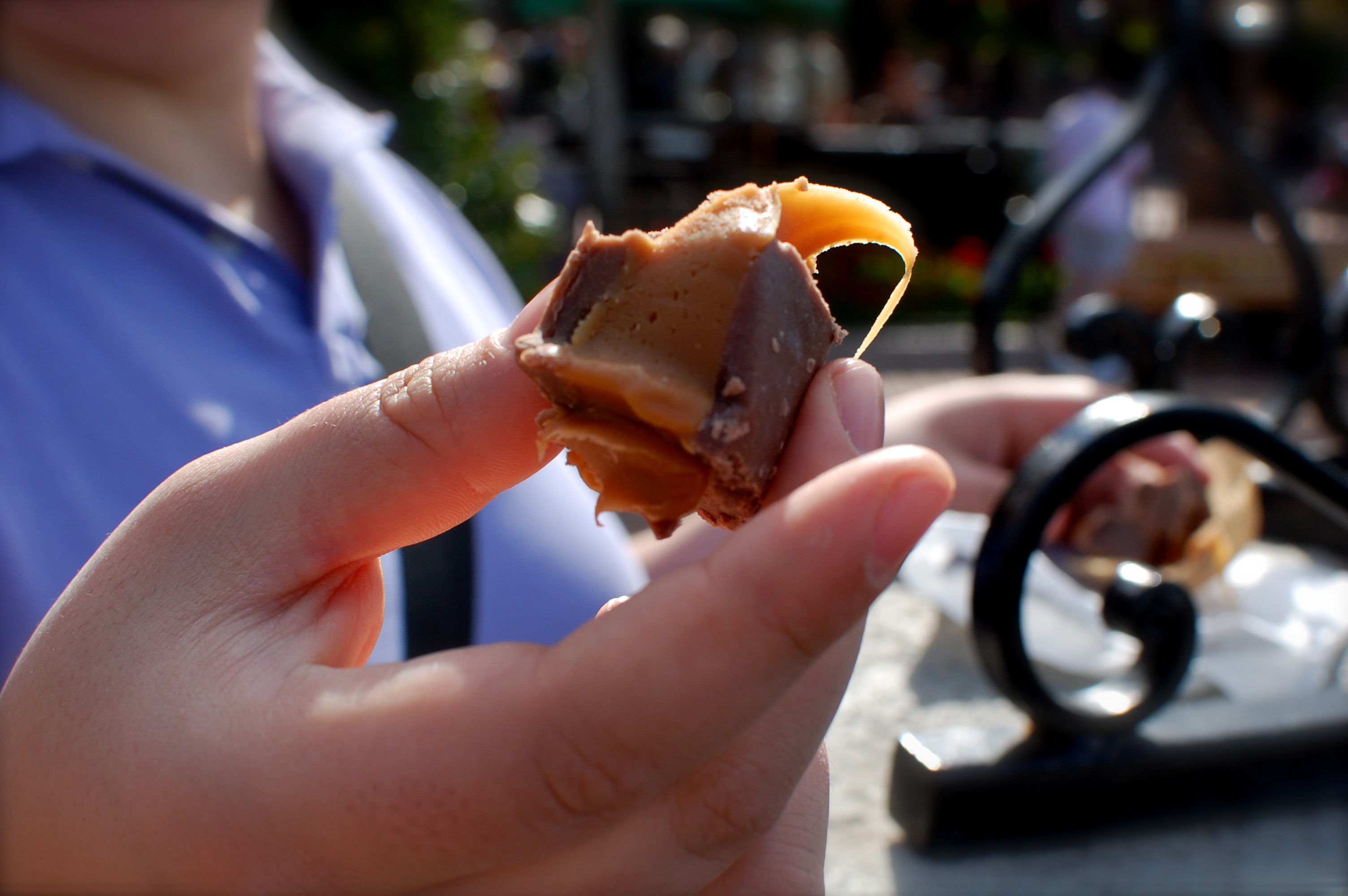
A delicious use of a snack credit.
Now…one thing I did not include for signature meals was the out of pocket cost of soda or other included beverages, since whether on a dining plan or paying separately we would most likely drink beer or wine. (And whether on a dining plan or not, we would be using Tables In Wonderland to save 20%.) So, you should figure that for this and the following scenarios, your dining plan value is probably a bit higher than I am estimating.
So, back to scenario one, our signature dining extravaganza. If eating the same amount of food and paying out of pocket, the total cost would be:
$606.00 (signature dinners and Tutto lunch)
$30.86 refillable mugs
$45.91 snacks
=$682.77
The cost for two adults to purchase the Deluxe Dining Plan for three nights is $513.12. So, in this scenario we would save 25%!
Scenario two is entitled “Spreading the Wealth.” It keeps the emphasis on signature dinners, but adds in some additional earlier-day meals. For each person it includes:
- Dinner at California Grill (total value $137), 2 credits
- Dinner at LeCellier (total value $130), 2 credits
- Dinner at Jiko (total value $131), 2 credits
- Breakfast at The Wave (total value $45), 1 credit
- Breakfast at Kouzzina (total value $41), 1 credit
- Dinner at Boma (total value $70.28)
The comparable out-of-pocket cost for these meals is $554.28. Adding in our previously calculated costs of $45.91 for snacks and $30.86 for refillable mugs, the total out-of-pocket cost would be $631.05, yielding a savings of approximately 20%.
Scenario three is entitled “(Mostly) Three Squares a Day.” Like scenario two, it assumes we might want more meals than just signature dinners, and thus only includes two signature meals (also, for the sake of your eyes I’m going to avoid the prices and credit values of meals I’ve already detailed above):
- Dinner at California Grill
- Dinner at Jiko
- Dinner at Boma
- 2 Breakfasts at The Wave
- Lunch at Tutto Italia
- Dinner at Kouzzina (total value $89.44), 1 credit
The total out-of-pocket cost of the above meals is $620.72. Adding in the out-of-pocket cost of snacks and refillable mugs, the total cost would be $697.49, yielding a dining plan savings of 26%.
The last scenario – and for us the winner – is one I entitled “Signature Dining Is for Suckers.” Now, I know it’s really not, but in this scenario our only signature meal is my non-negotiable birthday dinner at the California Grill. Everything else is a mixture of breakfasts, dinners, and lunches:
- California Grill dinner
- Boma dinner
- Kouzzina breakfast
- Tutto Italia lunch
- The Wave breakfast
- Dinner at Sanaa (total value $67), 1 credit
- Dinner at Les Chefs de France (total value $108.46, another terrific 1 credit value!), 1 credit
- Lunch at The Wave (total value $66), 1 credit
The total out-of-pocket cost of everything above is $637.42. When adding in the out-of-pocket cost of snacks and refillable mugs, the total comparable cost would be $714.19, yielding a savings of 28% when using the deluxe dining plan. Notice that in this scenario, we are eating 8 full meals: four dinners, two breakfasts, and two lunches – a pretty well-balanced schedule of eating.
And, remember: when you add in the comparable cost of all of the non-alcoholic beverages you receive at meals while using the dining plan, the savings in each scenario is that much higher – in scenario four, for example, adding in the value of beverages would push your savings over 30%!
With this long-winded explanation concluded, it’s safe to say that we will be enjoying scenario four during our stay at the
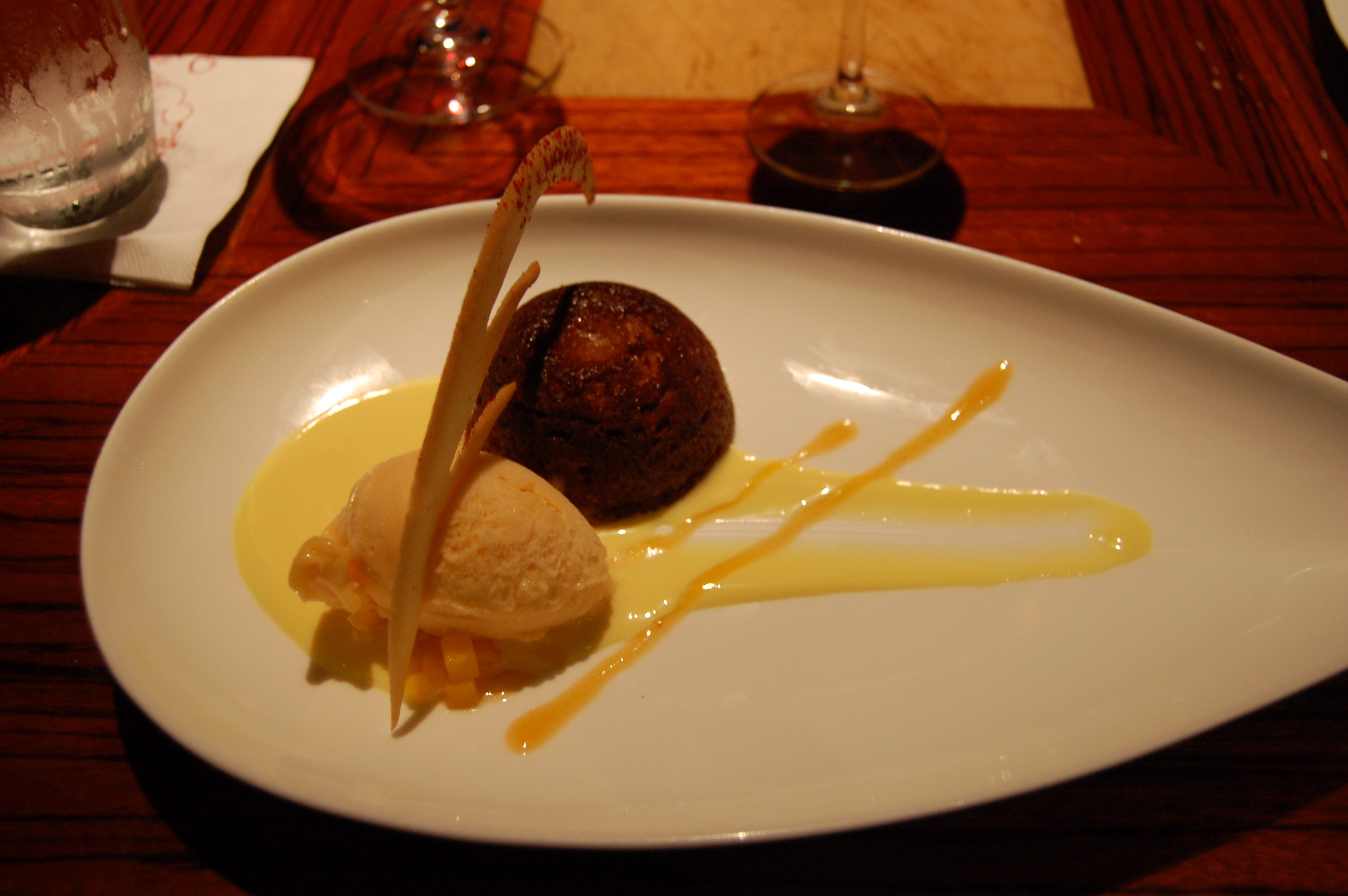
Why, hello….
Contemporary in September. While neither of us could or would want to eat at this sustained pace for all 11 days of our trip, I’m pretty excited about trying several new restaurants (Tutto Italia, The Wave, Kouzzina) and eating some tasty snacks, all at a serious savings. That said, I realize the word savings is relative – if we weren’t using the dining plan, there’s no way we’d eat this many meals out in 3-4 days. But in the name of science, research, and, well, hedonism, we’re going to give it the old college try.
Finally, since we will be staying Club Level at the BoardWalk during the remainder of our trip, we can pay out-of-pocket for a couple of signature meals (and a few trips to Earl of Sandwich, let’s be honest) after our dining plan experiment is over and still eat pretty well without huge out-of-pocket expenses . I may come back to amend this statement later, but I’m pretty confident that our overall food expenses on this upcoming trip may be lower than usual, and I look forward to seeing how this experiment plays out in reality. Stay tuned.
For those of you who can’t get enough of spreadsheets, here’s the raw numbers behind my calculations. Feel free to use this spreadsheet as a model for your own dining plan preparations:
 Nerds in Wonderland
Cool pics!
Pingback: Review: Disney’s Deluxe Dining Plan | Nerds in Wonderland